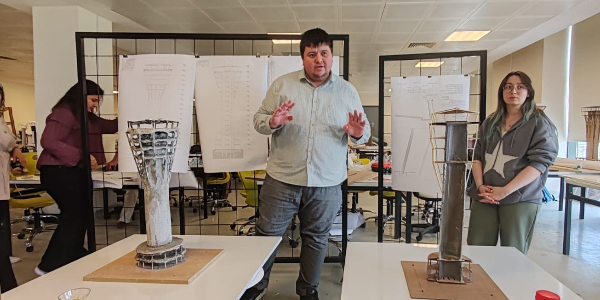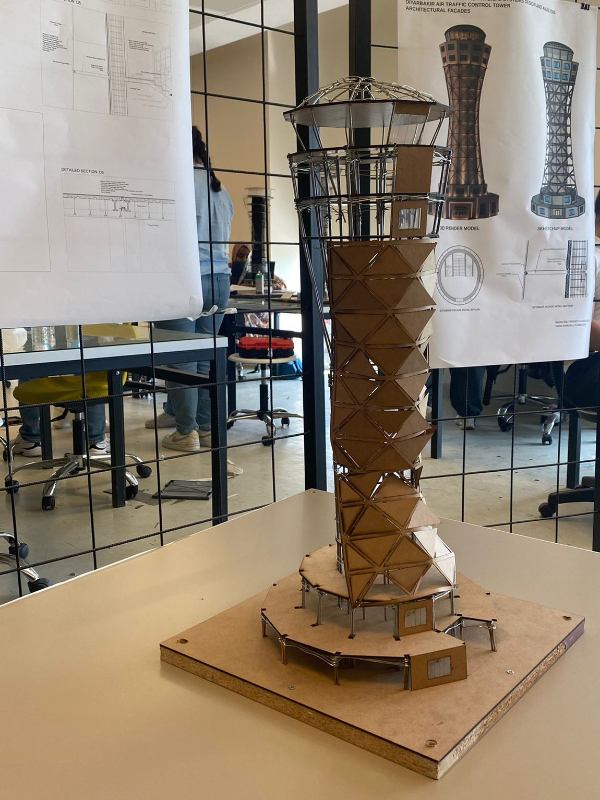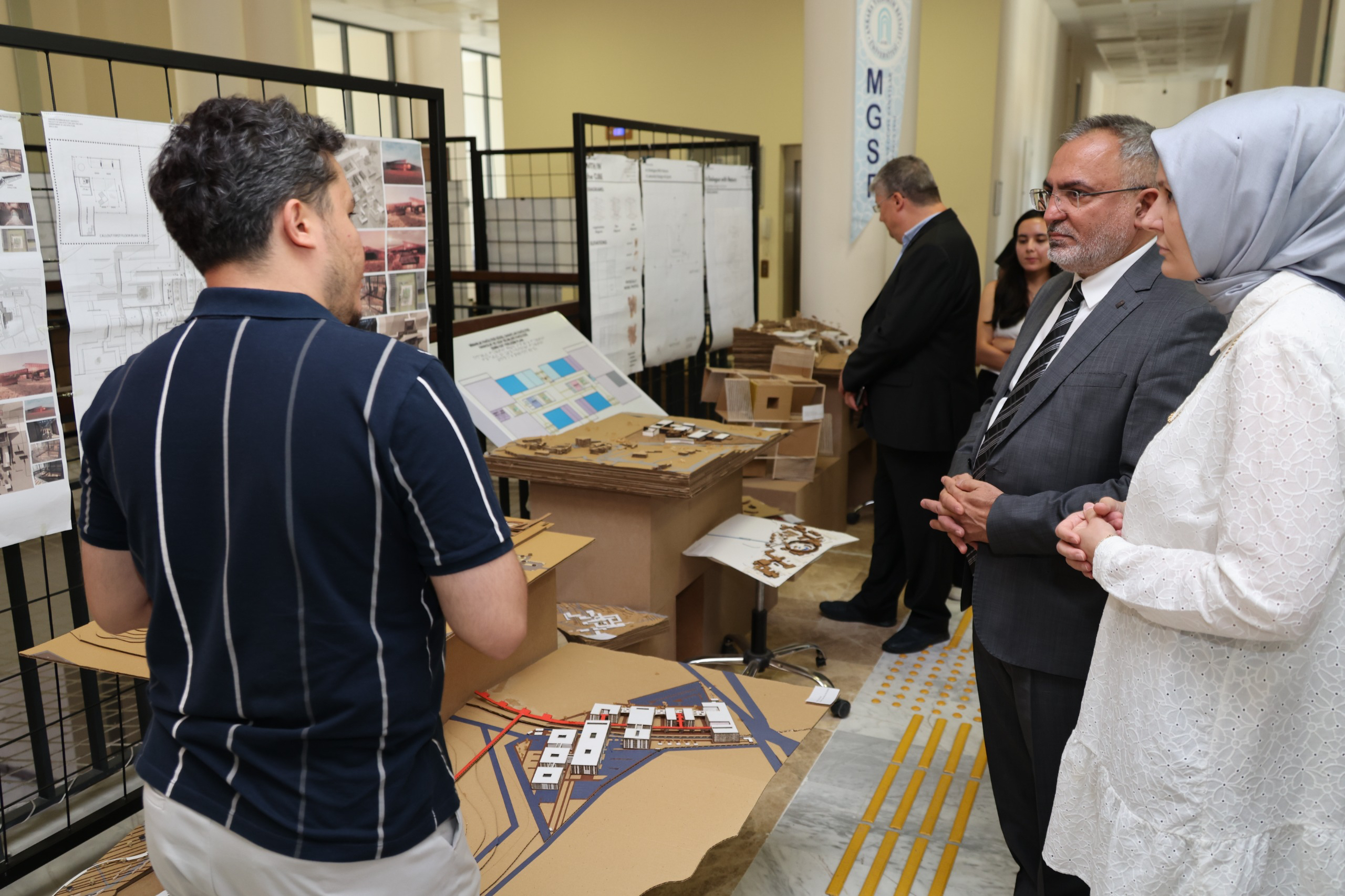

Throughout the design process, students focused on static and dynamic load behaviors in high-rise structures, structural stability, wind comfort, and integrated facade systems. Simultaneous with the architectural morphology of the designs, structural system optimization, load-bearing integrity, and sustainability-oriented environmental impact assessments, such as Life Cycle Assessment (LCA), were modeled using quantitative data.
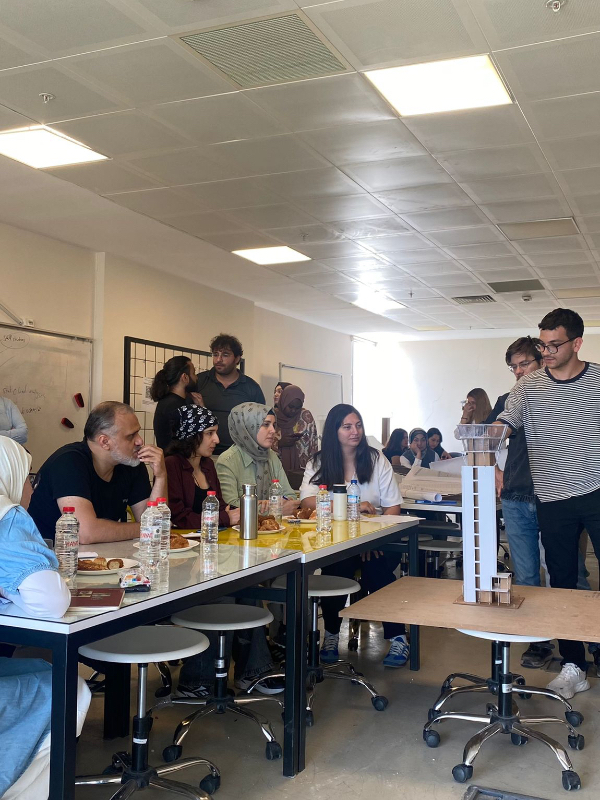
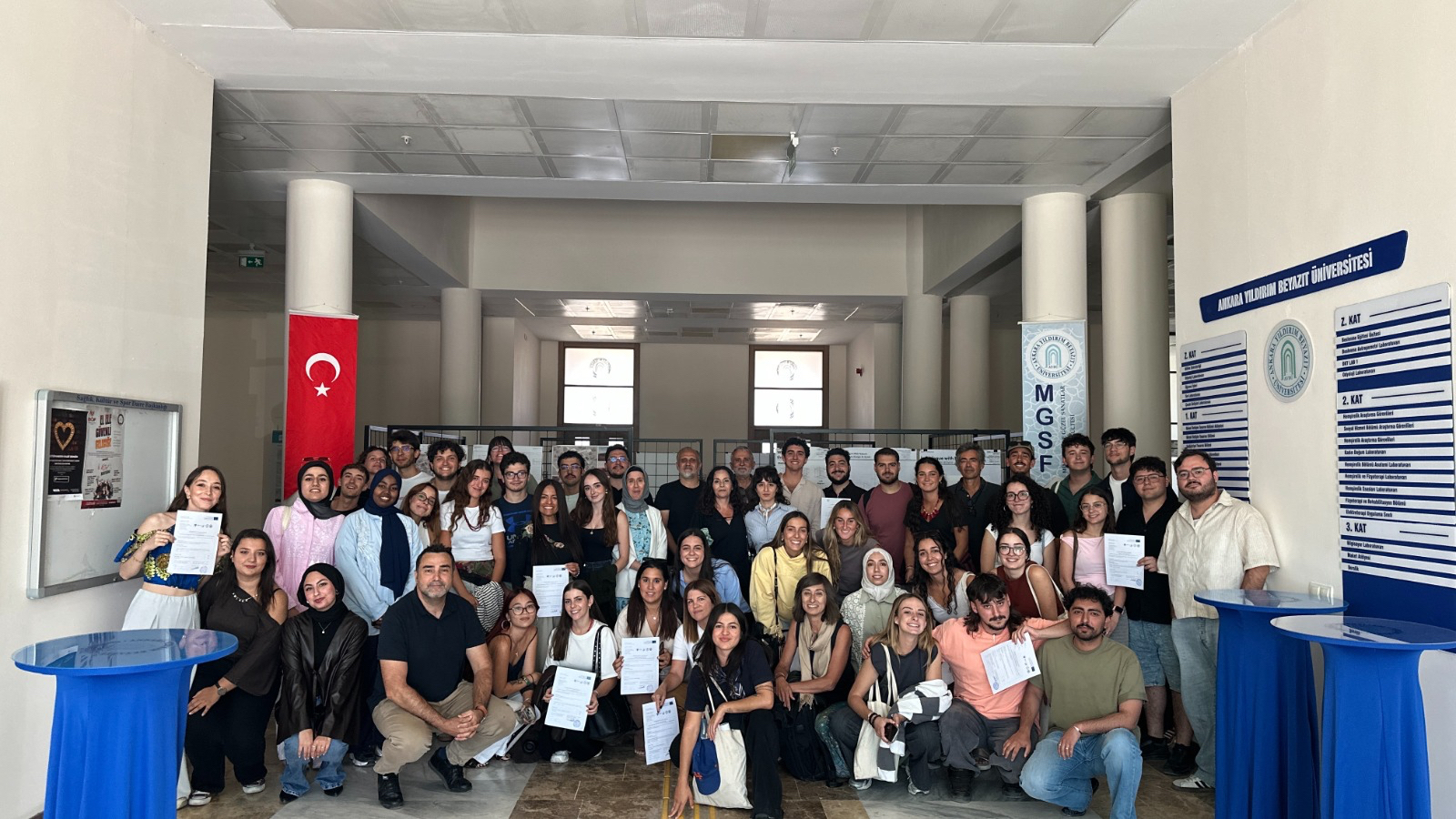
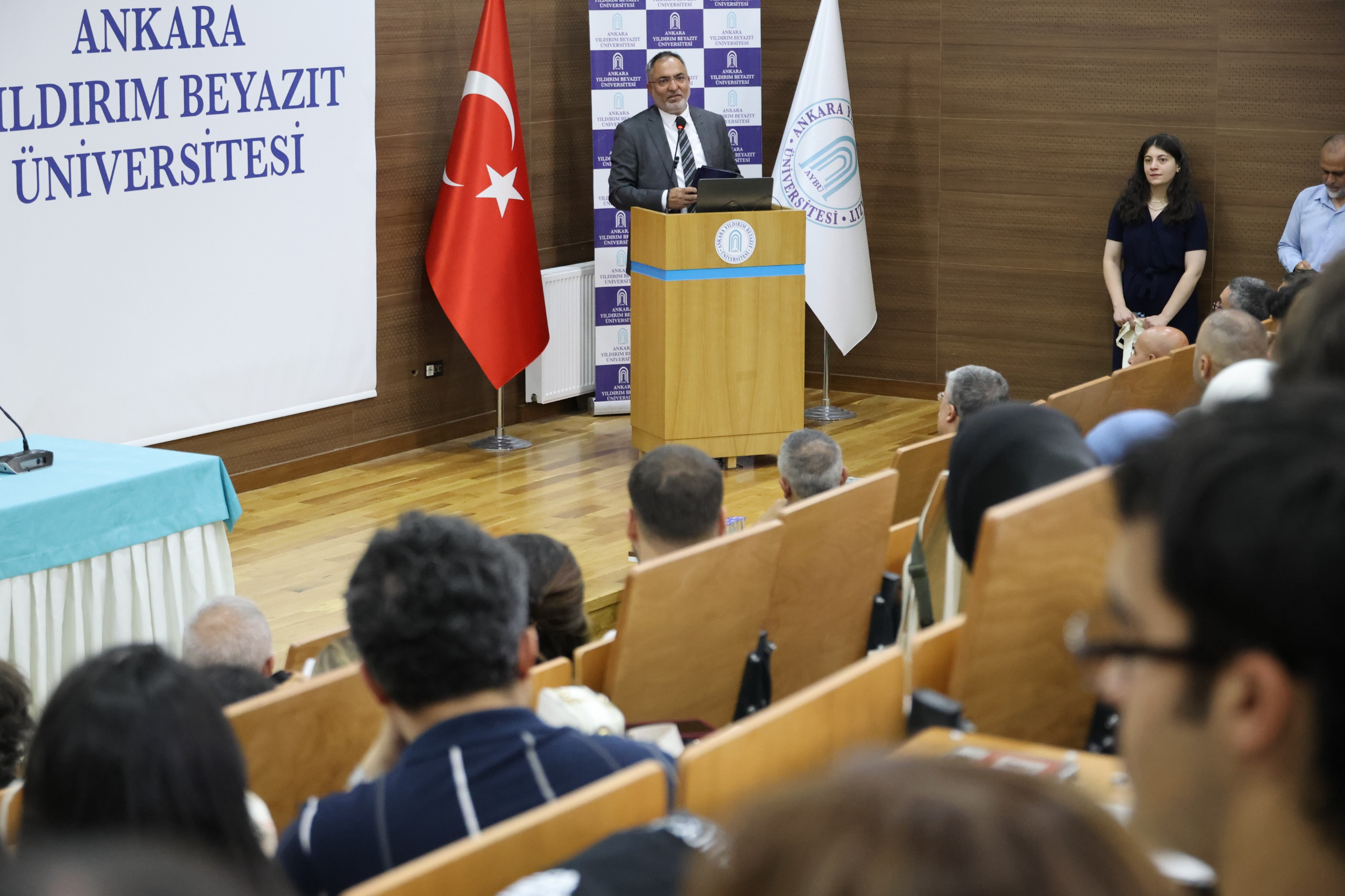
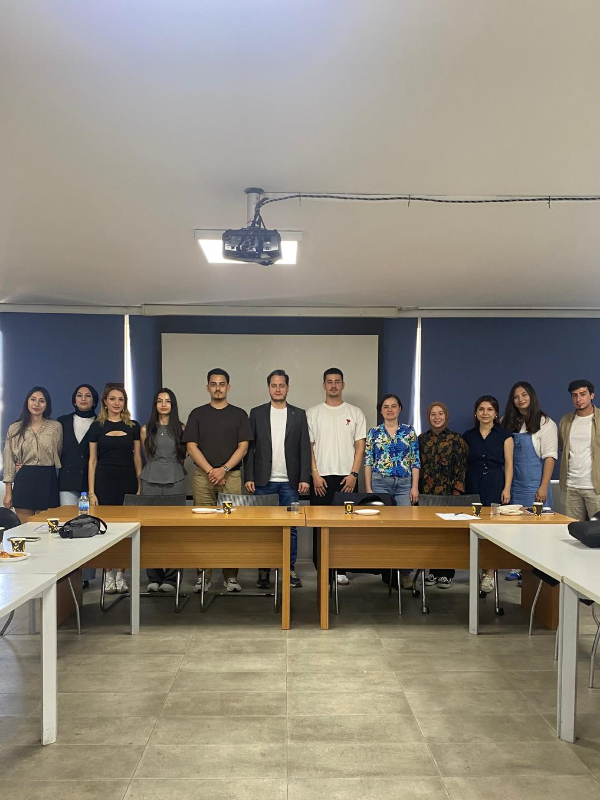
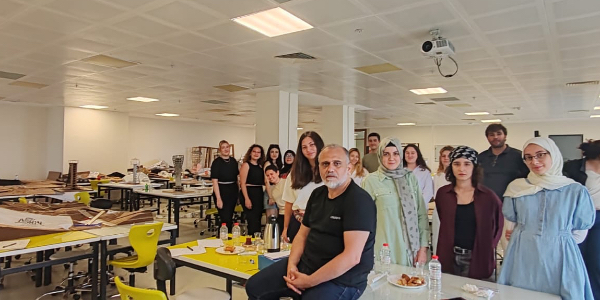
During the end-of-term evaluation phase, a final jury was held where students presented their analytical studies and physical performance parameters. In the session, which was enriched by the contributions of the department's academic staff as well as guest jury members Assoc. Prof. Dr. Ekrem Bahadir Caliskan and Mehlika Irem Demiral, the structural strength of the tower designs and their behavior under seismic and wind loads were tested through practical simulation outputs. The jury sessions, where theoretical knowledge was validated against engineering and architectural performance criteria, were successfully concluded following comprehensive technical evaluations.