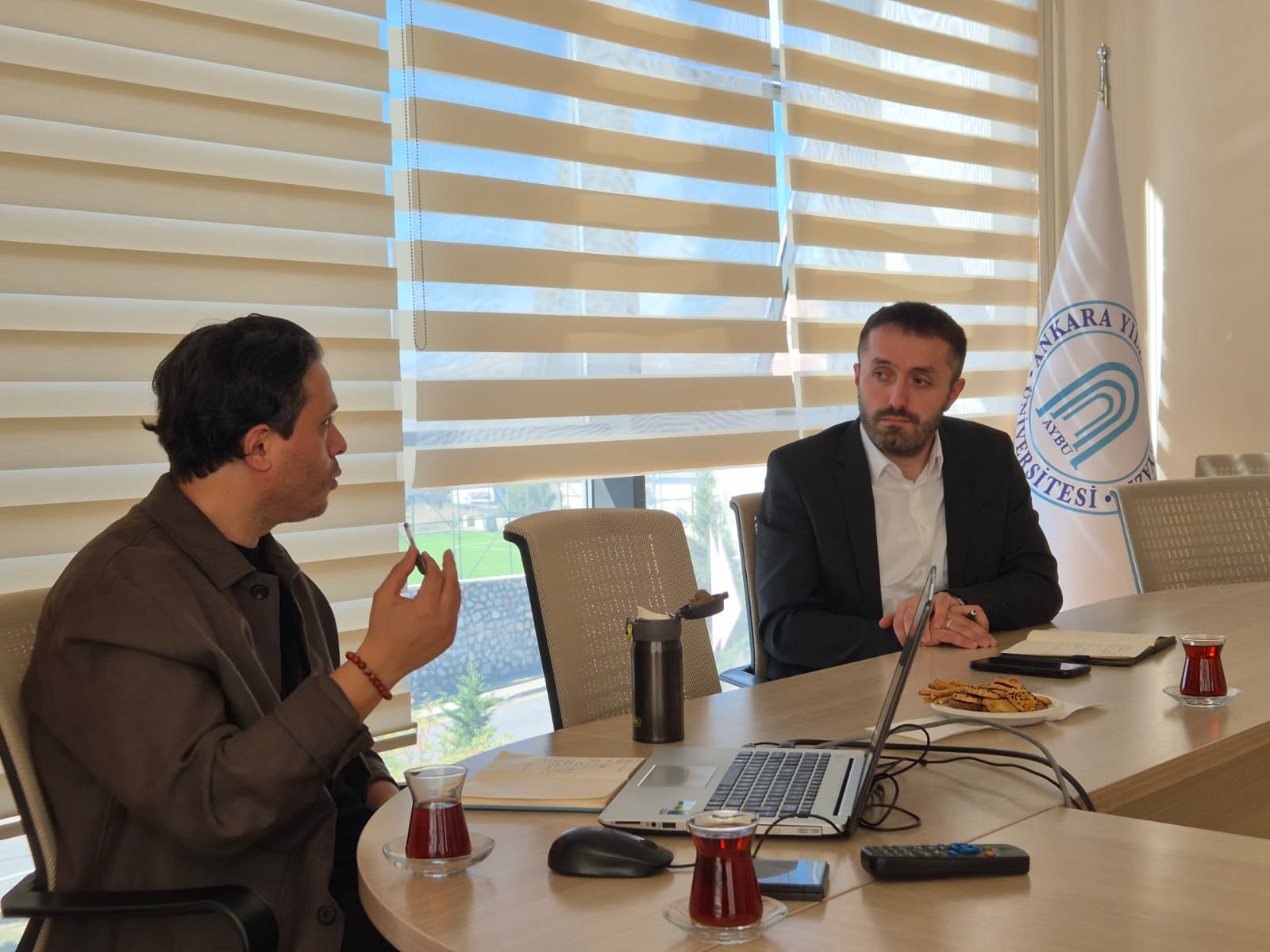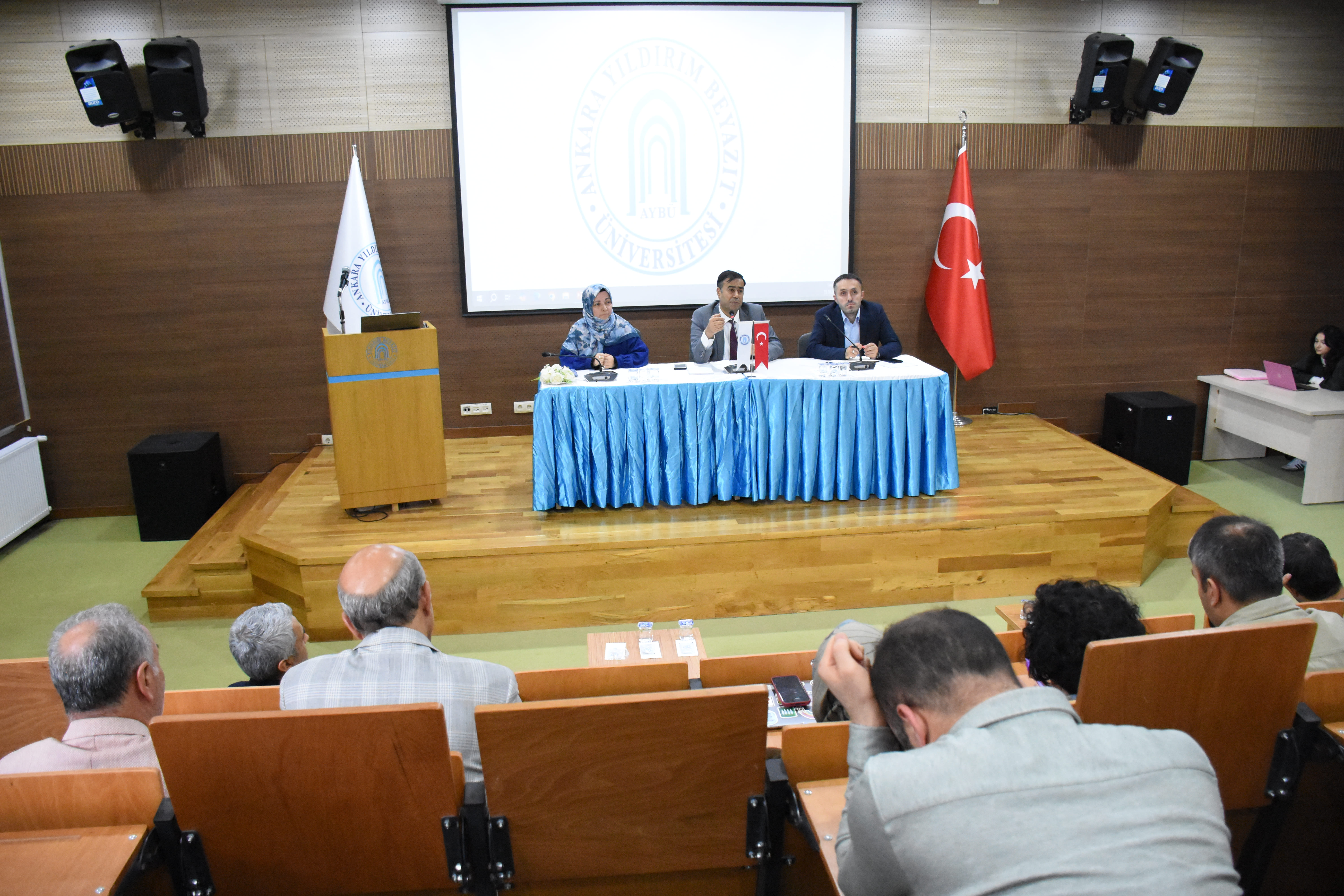

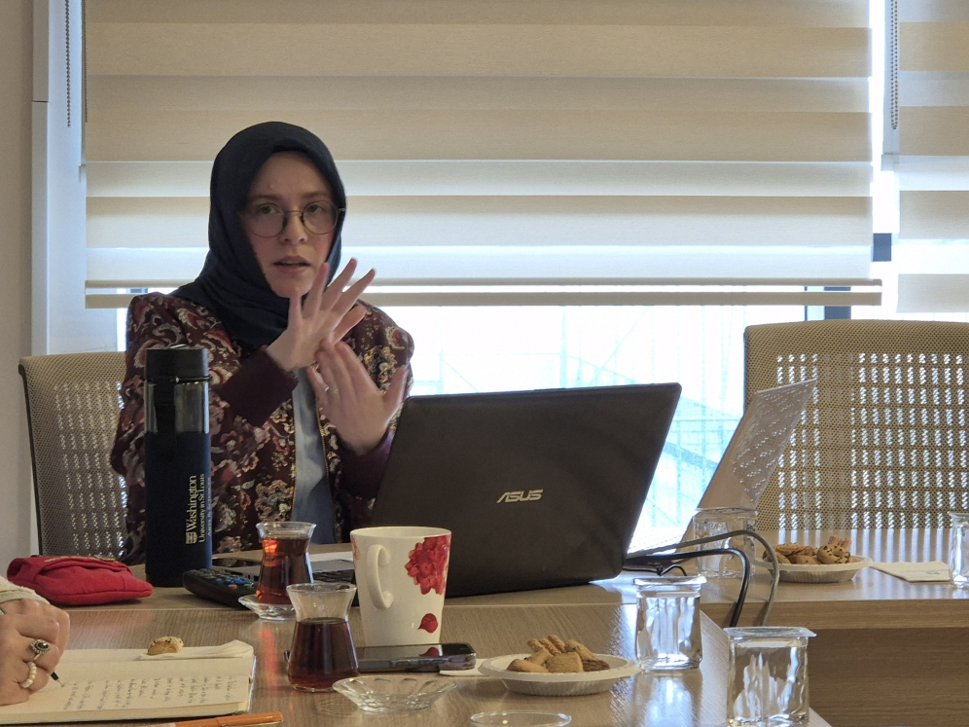
In her study, Kıyak reassessed Avicenna’s account of the soul-body relationship in light of modern criticisms directed at Cartesian dualism. The central question of the presentation was whether an Avicennian theory could offer a non-Cartesian substance dualism capable of addressing contemporary debates such as mental causation, the pairing problem, and the unity of consciousness.
Kıyak stated that Avicenna treats the soul as an independent substance that coordinates bodily functions without being identical to them, a perspective that points to a metaphysical foundation distinct from the Cartesian approach. It was argued in the presentation that this approach grounds first-person awareness without resorting to an extended substance and explains the soul-body interaction without invoking the “ghost in the machine.” Emphasizing that Avicenna’s substance dualism should be read neither as an interpretation of Aristotelian hylomorphism nor as a proto-Cartesian view, it was posited that an Avicennian substance dualism capable of engaging in dialogue with contemporary philosophy of mind is indeed possible.
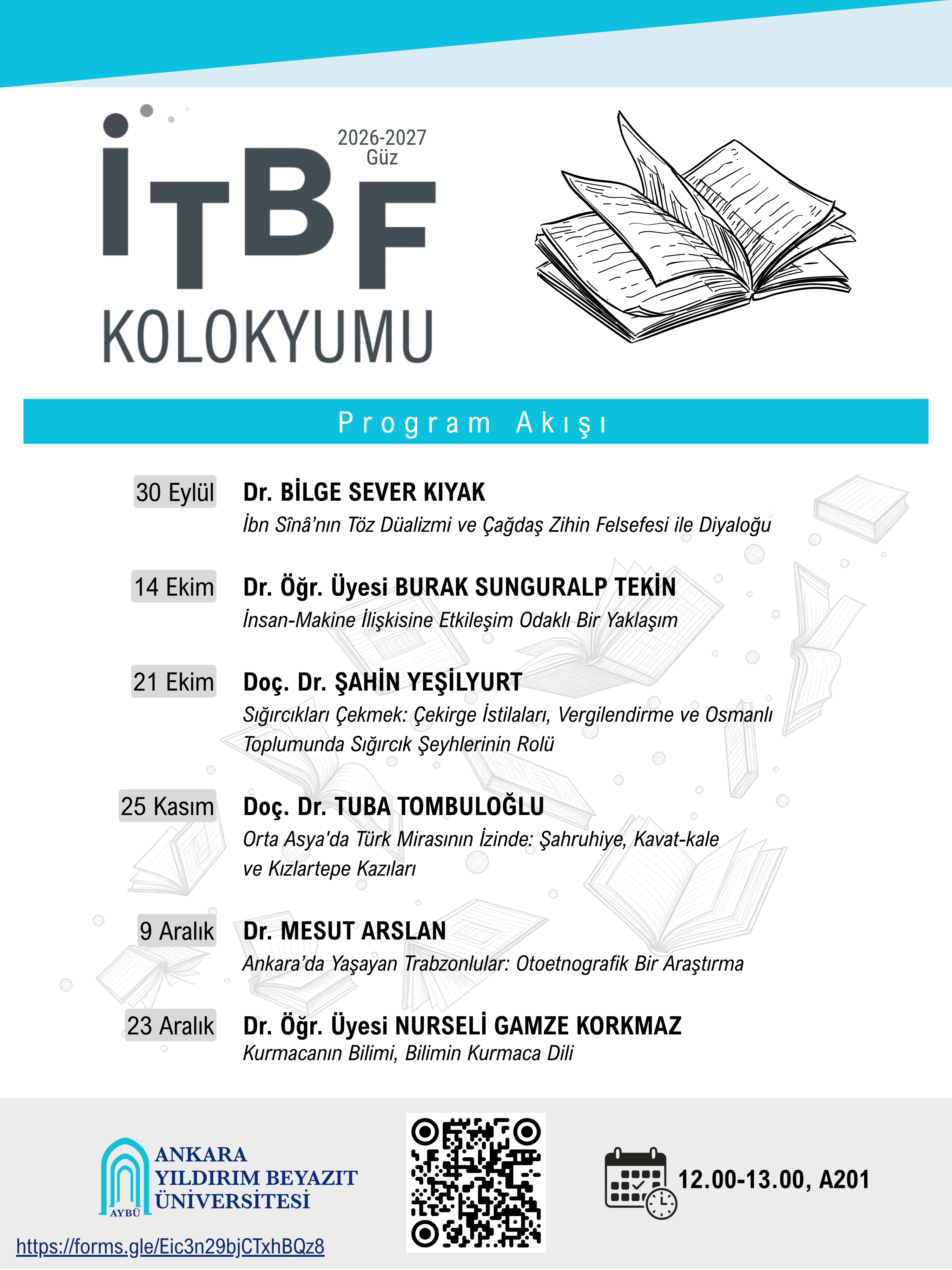
The second session of the FHS Colloquium will take place on Wednesday, October 14, 2026, at the same time and in the same hall. In this session, Dr. Burak Sunguralp Tekin from the AYBÜ Department of Translation and Interpreting will present his work titled “An Interaction-Oriented Approach to Human-Machine Relations.”