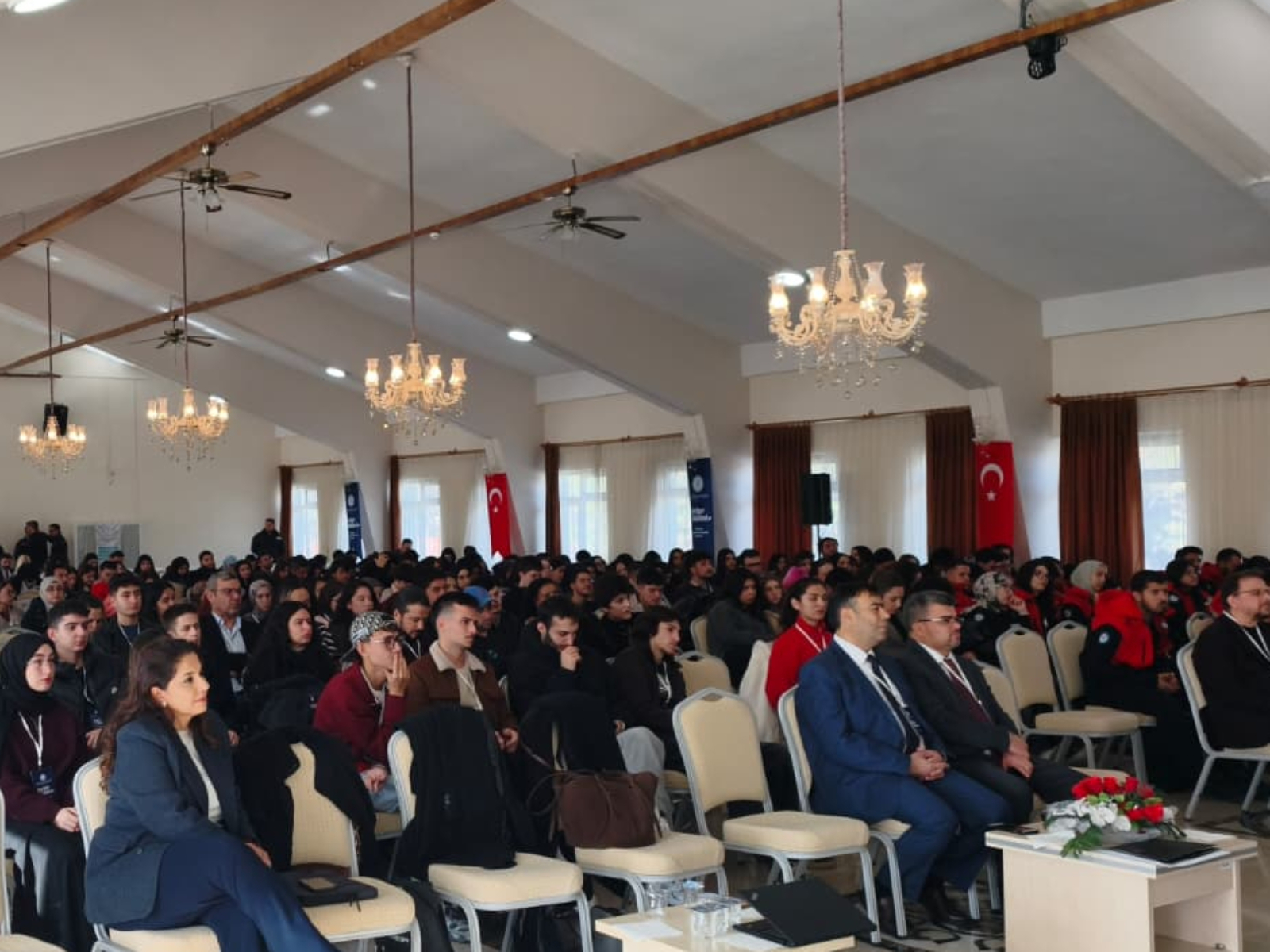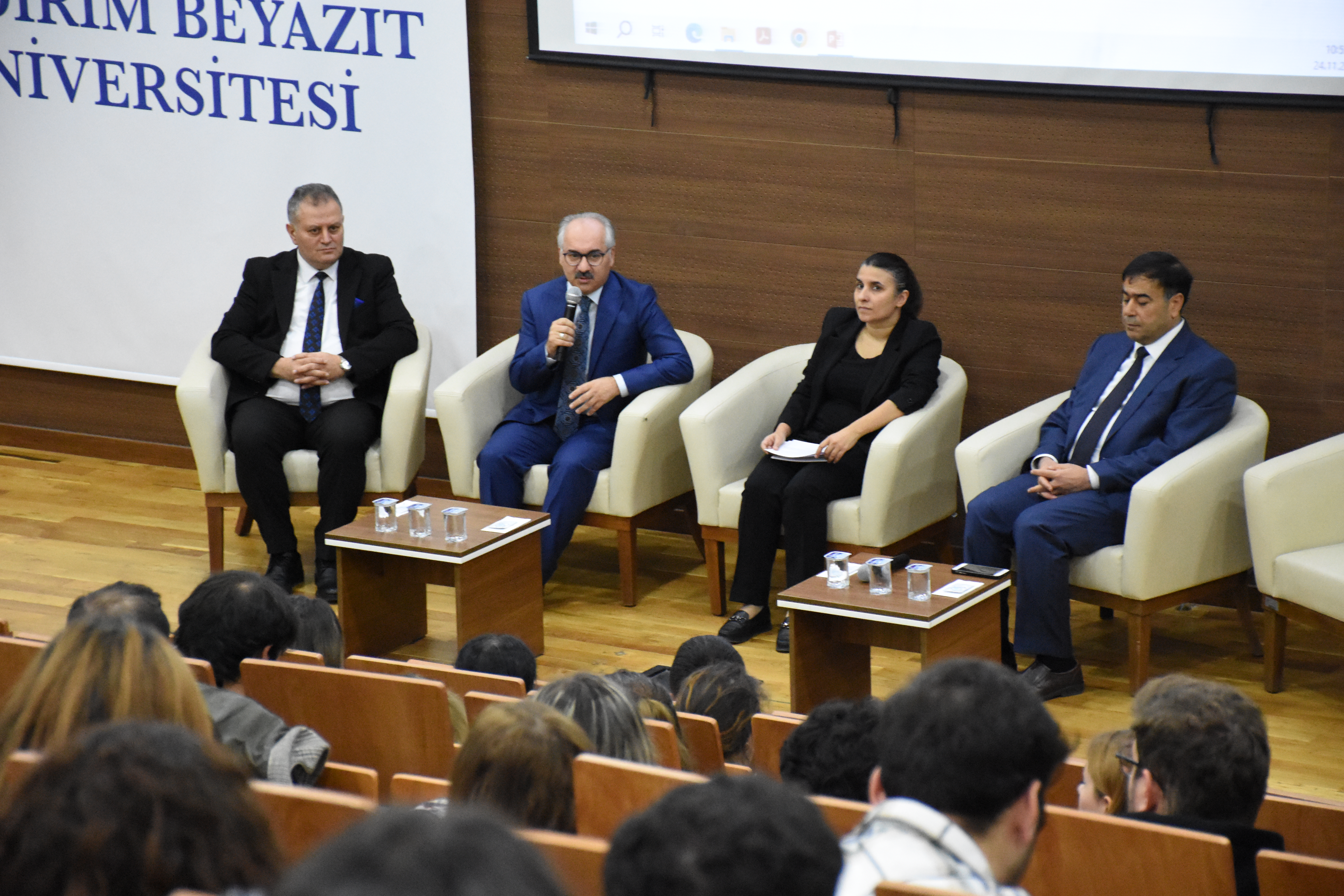

The research and development report titled “The Profile of Youth NGOs in Turkey” was prepared following the “Cooperation Meetings with Civil Society Organizations” project, which was carried out under the organization and support of the Department of Relations with Civil Society Organizations of the General Directorate of Youth Services of the Ministry of Youth and Sports, with the participation of approximately 1,550 NGO representatives from 81 provinces.
Experience sharing was conducted with the NGO representatives participating in the workshops under 4 main headings: a) Legal Regulations and Bureaucratic Processes, b) Institutional Factors, c) External Factors, and d) External Stakeholder Relations. For in-depth analysis, these 4 main headings were further divided into 10 sub-headings. Additionally, 975 out of the 1,550 NGO representatives who attended the workshops completed a semi-structured survey. Subsequently, by evaluating the qualitative and quantitative data obtained from the verbal and written issues raised in the workshops, the survey research, and secondary sources, 7 separate “Civil Society Organizations Research and Development Reports” specific to the 7 geographical regions were prepared.
In this research and development report, titled “The Profile of Youth NGOs in Turkey”, the reports for the 7 regions have been summarized, and statistical data have been analyzed at a national level. Thus, by researching the current situation, problems, and needs of Youth NGOs in Turkey, strategic goals have been identified, and solution proposals have been developed.
In conclusion;
In light of the findings of previous studies and this research, it is observed that civil society, which is expected to compensate for and complement the inadequacies of free markets and the state, faces limitations and failures in our country both in terms of the understanding of civil society and the capacity of NGOs. Although we rank among the top countries globally in terms of emergency and humanitarian aid, our number of NGOs per capita, the number of full-time/part-time employees and volunteers in NGOs, and the share of the voluntary sector in our economy remain well below those of developed countries.
Some of the prominent problems of NGOs in our country can be summarized as follows:
• Dominance of a statist approach and the narrowing of civil space,
• A political and administrative culture characterized by high power distance and rigid hierarchical structures,
• Lack of internal democracy within organizations,
• Inadequate levels of organization and institutionalization,
• Failure to reach target audiences, especially youth,
• The negative perception against civil society created by a series of coups,
• Difficulties in resource mobilization and financial fragility due to dependence on few and unstable sources,
• Weak cooperation with public institutions, as well as national and international NGOs,
• Shortage of qualified management and human resources, and the lack of a competitive structure for attracting skilled labor and executing services,
• The prevalence of informal operations and the lack of data, which hinder transparency, accountability, performance measurement, and the analysis of individual NGOs as well as the entire voluntary sector.
To resolve these issues nationwide, it is necessary to initiate a “volunteering mobilization” that starts with legal regulations and considers operational flaws, where collaboration among citizens, NGOs, the private sector, and public institutions is fostered, and where solutions are produced with the participation of all national institutions and the public, rather than being confined to a single ministry.
We hope that this research on civil society will contribute to raising awareness for strengthening the understanding of civil society, enable NGOs to self-evaluate, shed light on future research in the field, and serve as supportive data for experts, administrators, policymakers, and political leaders in their decision-making processes.
For the book “The Profile of Youth NGOs in Turkey”, click here.