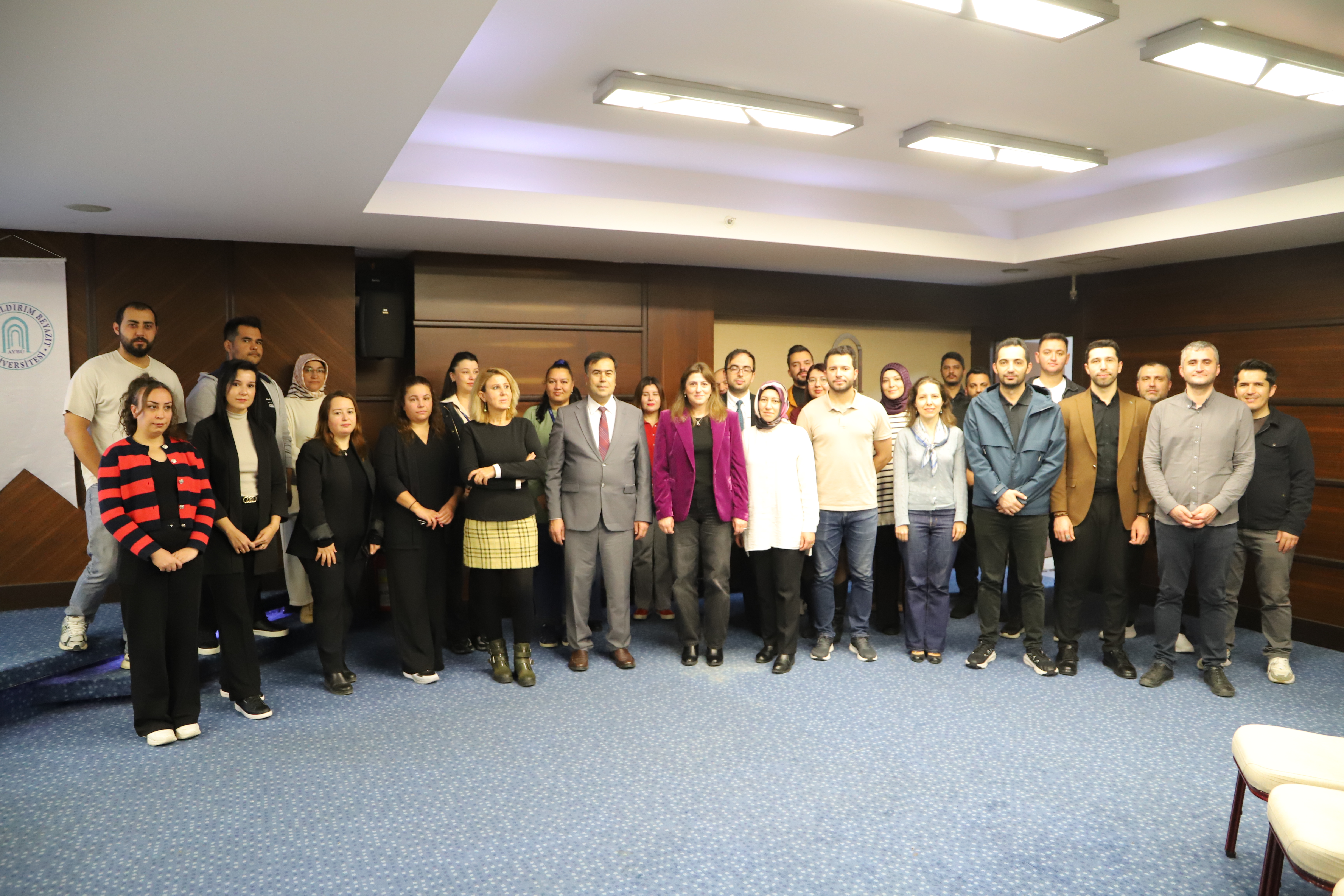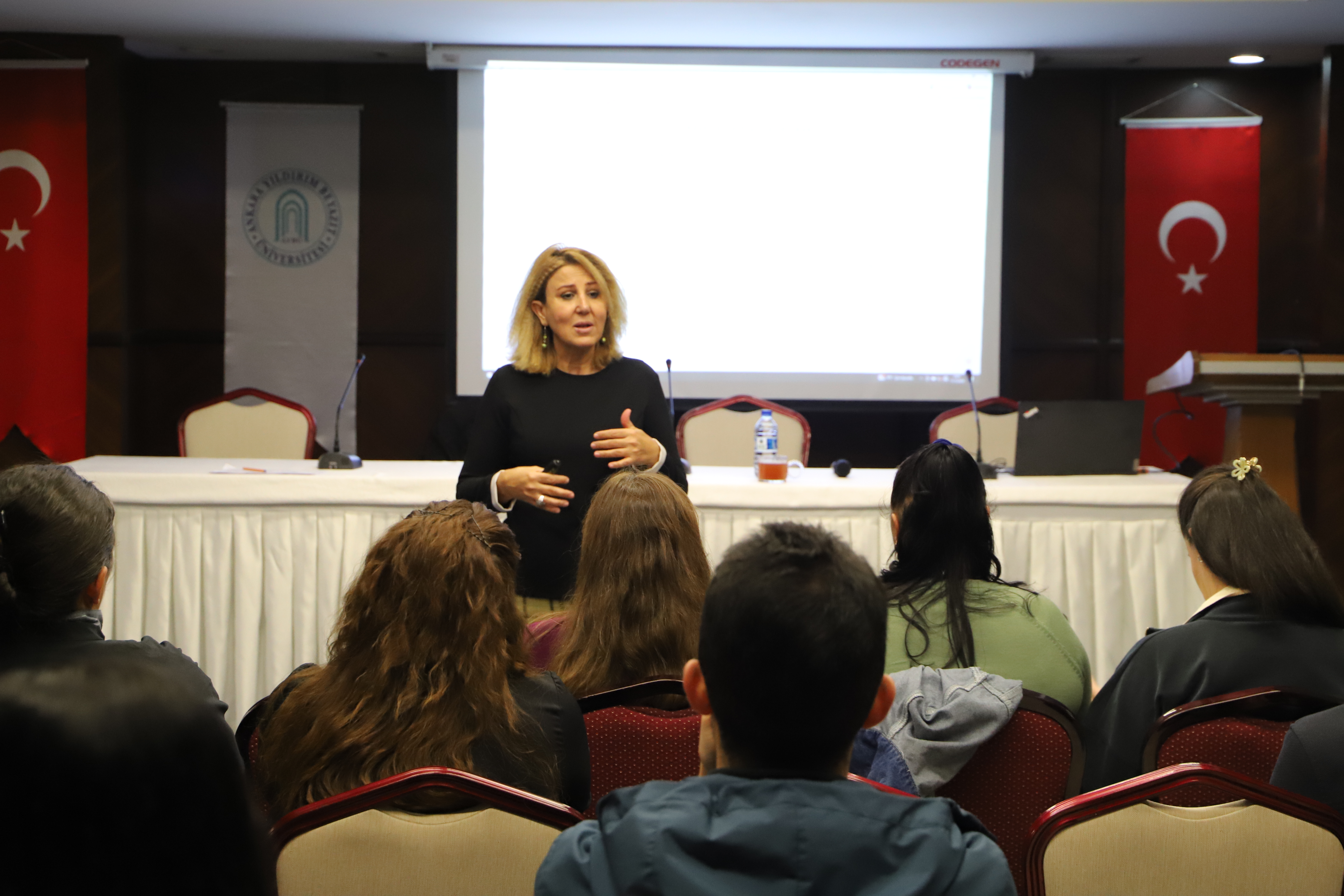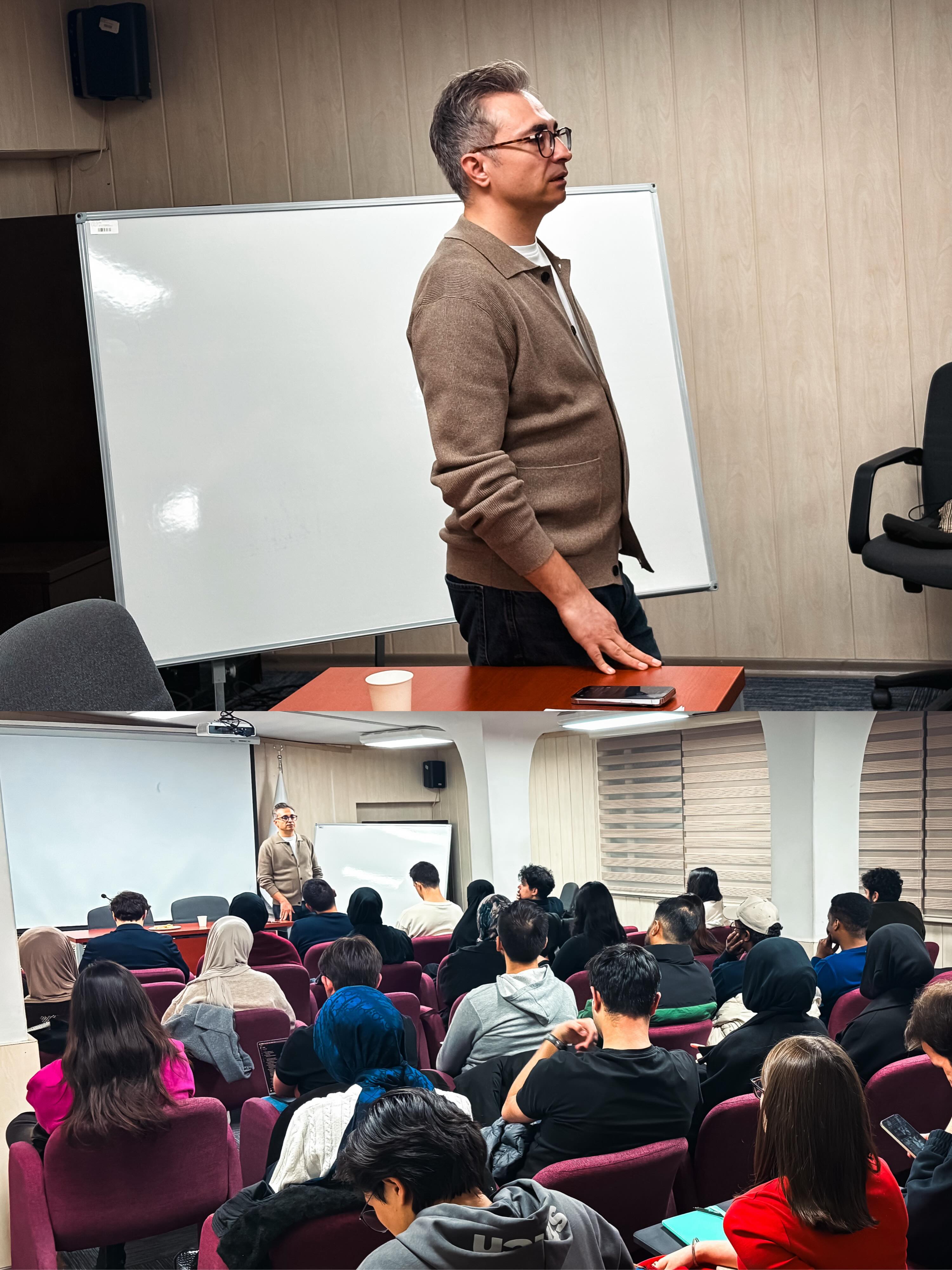

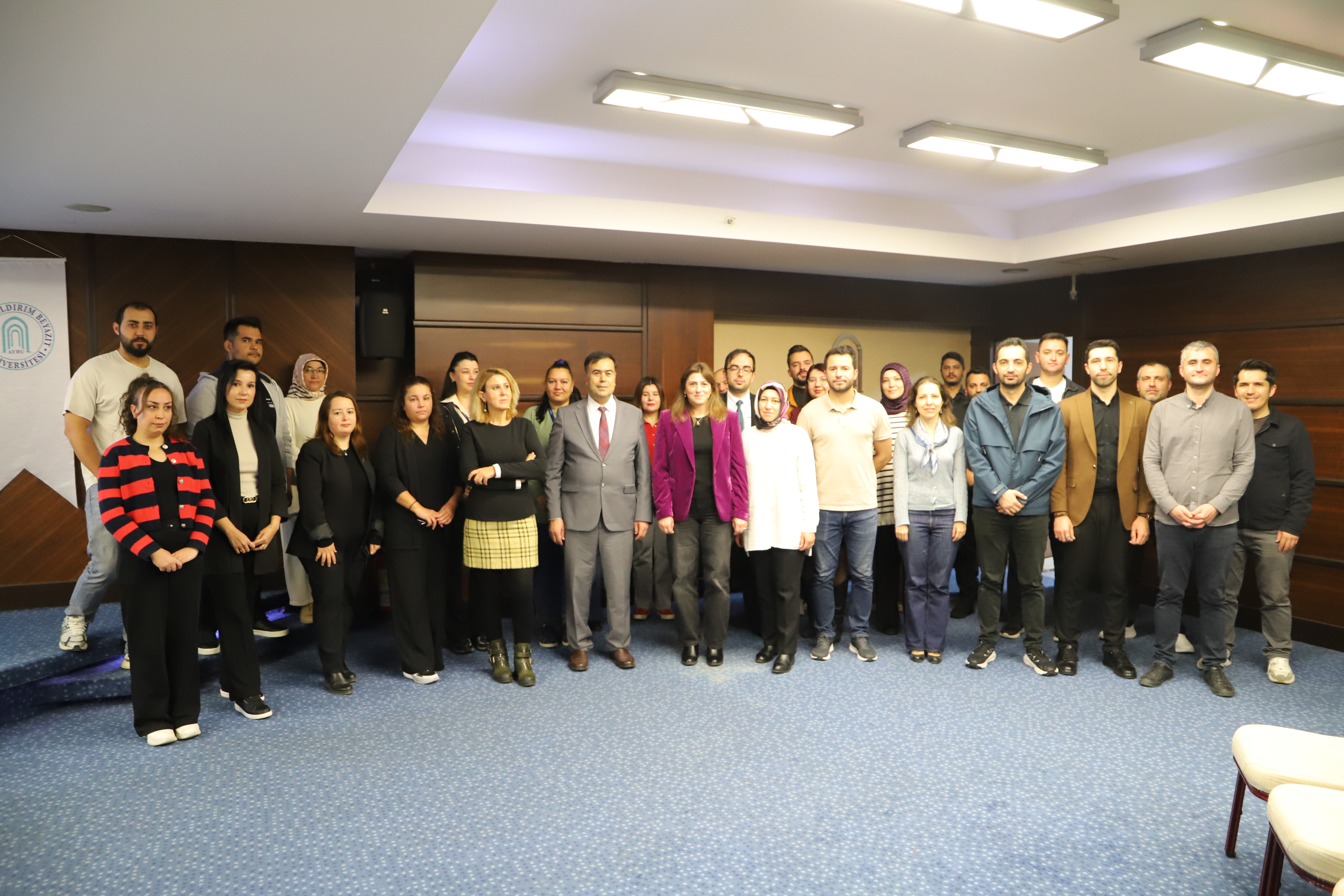
On October 15, 2026, the training titled “TS ISO 10002:2018 Quality Management – Customer Satisfaction – Guidelines for Complaints Handling in Organizations” was successfully conducted. The training addressed the importance of customer complaints and feedback in organizational development, while sharing key insights into the establishment and implementation of an effective complaint management process.
In the first session of the training, the critical role of complaint management for institutions was emphasized. It was highlighted that a significant portion of dissatisfied customers may leave the institution without voicing their complaints and share their negative experiences with others. Handling complaints properly was noted to present a vital opportunity to understand customer expectations and enhance service quality.
In the continuation of the training, the scope of the standard, its core concepts, and its relationship with the ISO 9001 standard were examined. The fundamental principles of an effective complaint management process—namely visibility, accessibility, responsiveness, objectivity, confidentiality, customer focus, accountability, and continual improvement—were discussed in detail.
Participants evaluated the end-to-end process through practical examples, covering stages from the receipt and recording of complaints to their evaluation and investigation, as well as responding to the complainant and closing the record. Furthermore, attention was drawn to the role of top management commitment, clearly defined responsibilities, and the enhancement of staff competence in the success of complaint management.
In the final section of the training, topics such as monitoring and analyzing complaint data, measuring customer satisfaction, and sustaining and improving the process through internal audits and management reviews were addressed. It was emphasized that accurately identifying the root causes of complaints plays a crucial role in preventing the recurrence of similar issues and elevating service quality.
Conducted in an interactive environment, the training concluded with a Q&A session addressing participants' questions. The knowledge acquired through this training aims to further strengthen the institution's customer-centric approach and contribute to the continuous improvement of service quality.